
Key Takeaways
- Forklift safety is crucial in warehouses to prevent injuries and ensure efficient operations.
- Only certified operators should use forklifts, wearing appropriate PPE and conducting daily equipment inspections.
- Implementing clear floor markings and consistent scheduling minimizes collisions and ensures trained personnel are present.
- Load stability and controlled speeds are key to safe operations, while awareness around pedestrians is essential.
- ShiftSwap enhances scheduling and coverage, ensuring certified personnel are available for safer forklift operations.
Forklift Safety in Warehouses: Best Practices for Safer & More Reliable Operations
Warehouses depend on forklifts to move heavy inventory and manage bulky orders efficiently. However, improper operation of forklifts poses significant safety risks. Maintaining forklift safety is essential for preventing injuries and ensuring uninterrupted, efficient operations.
An effective forklift safety program extends beyond operator training. It requires consistent staffing, well-defined procedures, and reliable workforce scheduling to ensure that only qualified personnel are assigned to critical tasks. Warehouses should develop safety protocols tailored to their specific layout, inventory flow, and operational requirements, while reinforcing best practices across all shifts.
Pre-Operational Procedures for Forklift Safety
Ensuring that only certified operators use forklifts is fundamental to maintaining safety. Forklifts must be operated exclusively by OSHA-licensed personnel who have completed initial training and participate in regular refresher courses.
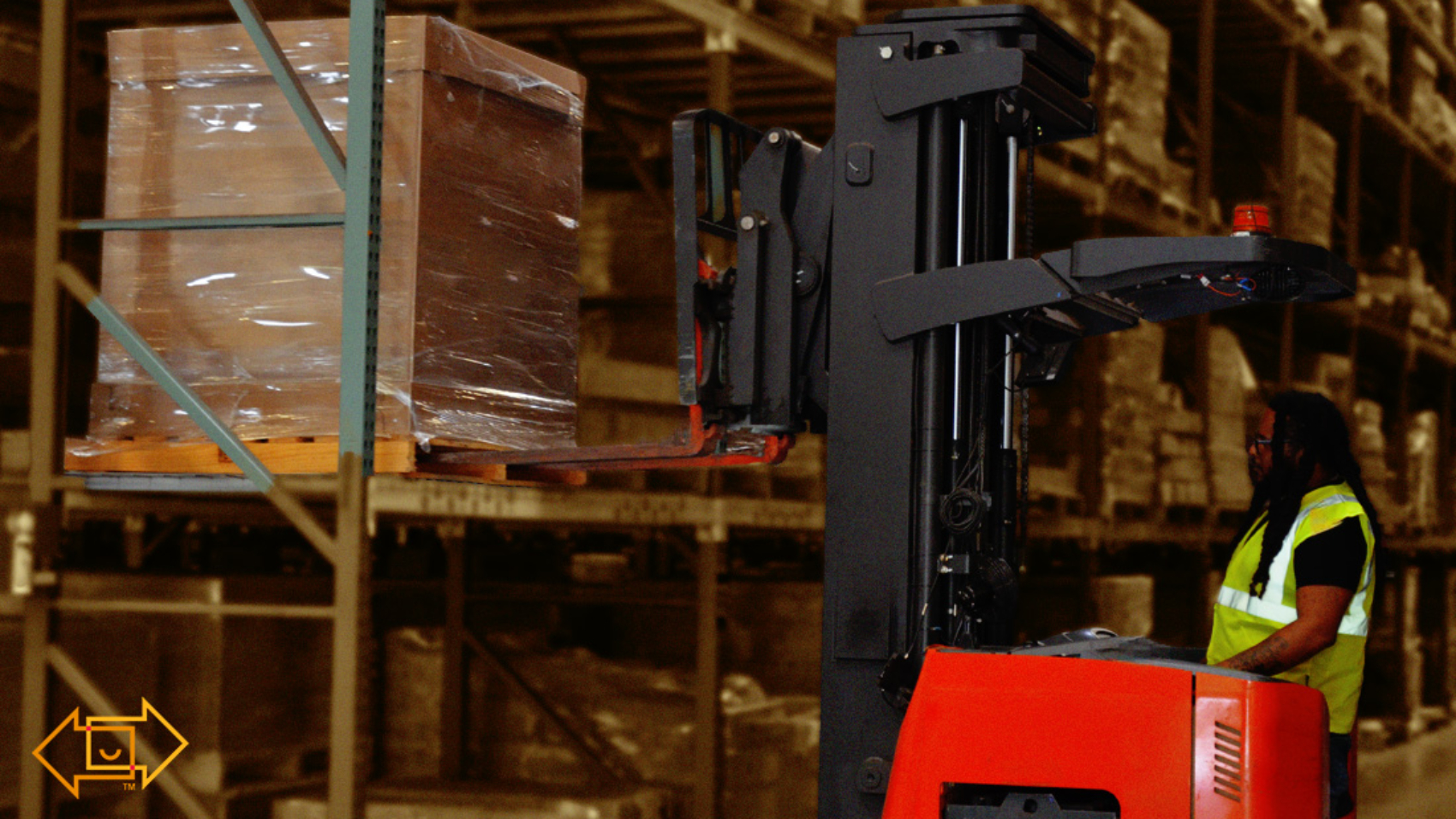
Prior to each shift, operators must wear appropriate personal protective equipment, such as high-visibility clothing and safety footwear. Conducting daily equipment inspections is also essential. Inspecting brakes, forks, tires, and warning signals before use helps identify and address potential hazards.
Implementing clear floor markings and designated forklift lanes enhances safety by minimizing collisions with shelving, equipment, and pedestrians. When paired with consistent workforce scheduling, these measures ensure that trained personnel are present during equipment operation, reducing rushed handoffs and miscommunication between shifts.
Finally, forklifts should be parked in designated storage areas at the end of each shift. Organized parking supports forklift safety by keeping walkways clear and making it easier to recharge batteries, refuel, and complete inspections before the next scheduled operator begins work.
Safe Practices During Forklift Operation
A forklift should be operated by only one person at a time, unless the equipment is specifically designed to accommodate additional riders. Personnel must never be lifted on forklift forks unless secured in an approved safety platform equipped with appropriate restraints.
Load stability is critical to forklift safety. Operators must ensure that loads are balanced and positioned near the forklift’s center of gravity. Heavy or irregular materials should be secured with straps or restraints to prevent tipping or falling during transport, particularly when turning or stopping abruptly.
Controlling speed is equally important for safety. Operating forklifts at low speeds reduces the risk of collisions, particularly in busy warehouse environments. Pedestrian workers should be trained to maintain a safe distance from forklifts, avoid passing under raised loads, and remain clear of moving parts at all times.
How Scheduling & Coverage Impact Forklift Safety
Effective safety policies require proper employee scheduling. Gaps in coverage, last-minute shift changes, or the assignment of untrained personnel can increase safety risks. Reliable workforce scheduling ensures that certified operators are consistently assigned, reducing fatigue, confusion, and unsafe practices.
Clear visibility into shift coverage enables managers to confirm that qualified personnel are scheduled appropriately. Organized, transparent schedules facilitate effective handoffs and help prevent rushed transitions that can lead to accidents.
Supporting Safer Operations with ShiftSwap™
Forklift safety requires more than training; it also depends on assigning qualified personnel to appropriate shifts. ShiftSwap assists operations teams in managing workforce scheduling, improving shift coverage, and maintaining schedule flexibility without compromising productivity.
By providing employees and managers with enhanced visibility into schedules and coverage requirements, ShiftSwap supports safer warehouse operations and helps ensure that certified personnel are available when critical equipment is in use. Clear and reliable scheduling enables teams to prioritize safety, efficiency, and consistent performance across all shifts.