
Resilience in Transportation and Warehousing Hiring Amid Economic Uncertainty
The U.S. labor market has exceeded expectations despite ongoing inflation concerns, geopolitical instability, and increasing operational costs. A recent Wall Street Journal article by Chao Deng and Harriet Torry reported stronger-than-anticipated April job growth across several industries, including transportation and warehousing, retail, and healthcare.
While hiring conditions are more stable than last year, organizations continue to face labor shortages, cost pressures, concerns about underemployment, and increased pressure to improve productivity without exceeding labor budgets.
These challenges are prompting companies in transportation and warehousing to reevaluate hiring strategies, focusing on balancing flexibility, employee retention, and operational efficiency.
April Jobs Report Signals Continued Labor Market Stability
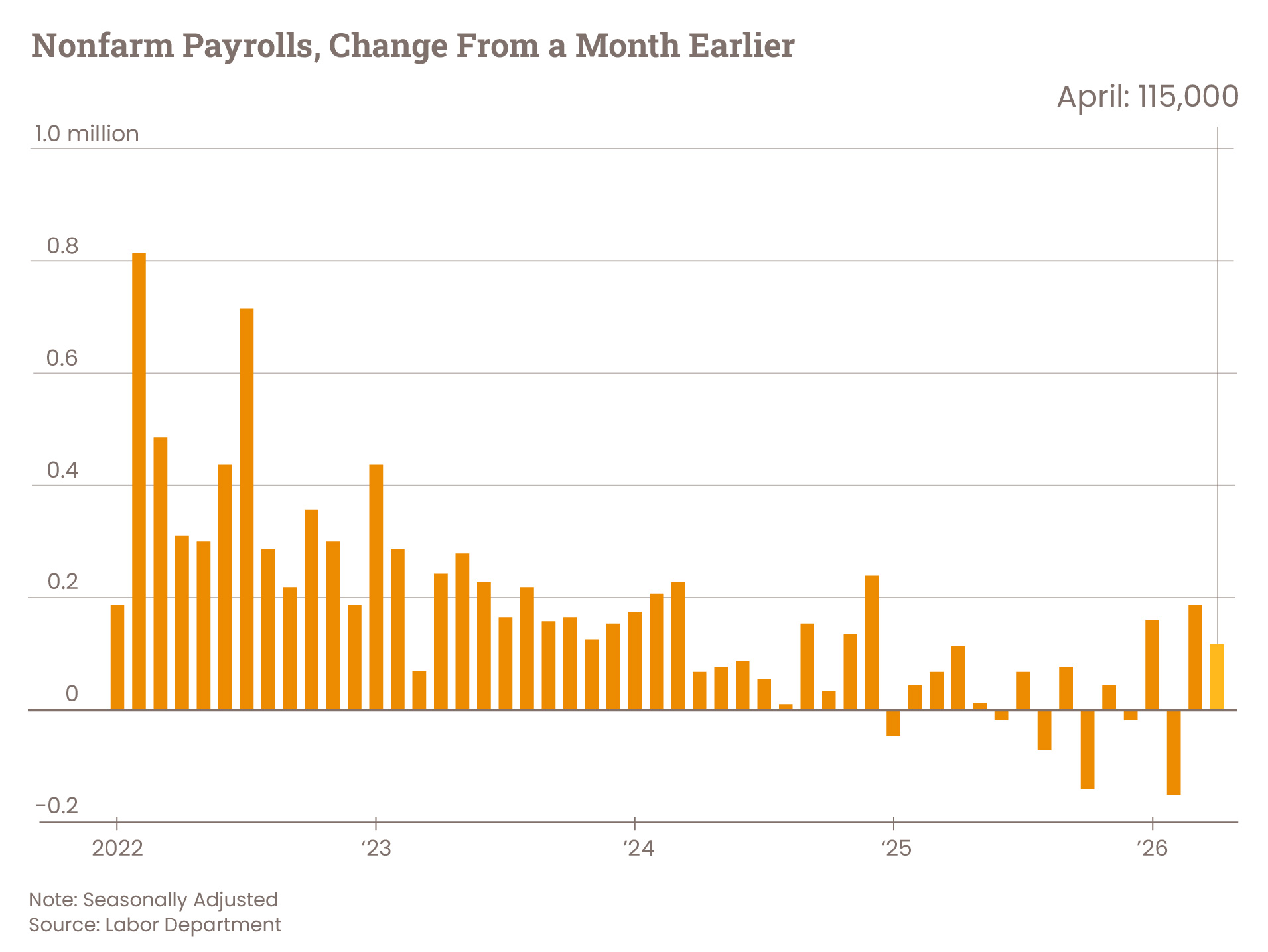
According to the U.S. Labor Department, the economy added 115,000 jobs in April, significantly exceeding expectations of about 55,000. The unemployment rate remained unchanged at 4.3%, signaling continued labor market resilience despite broader economic uncertainty.
The report also showed positive momentum in sectors tied closely to supply chain operations:
- Transportation and warehousing added 30,000 jobs.
- Retail employment increased by 22,000 jobs.
- Healthcare and social assistance continued to lead hiring growth, with 54,000 jobs.
These gains indicate that hiring in transportation and warehousing remains active as organizations prepare for seasonal demand fluctuations and sustained fulfillment requirements.
Although hiring growth slowed from March, the labor market shows greater stability than many economists projected for 2026.
Why Transportation & Warehousing Hiring Still Faces Pressure
Despite improved hiring figures, significant workforce challenges persist. Many employers maintain a cautious approach to hiring due to uncertainties around tariffs, inflation, fuel costs, and geopolitical tensions related to the Iran conflict.
Operations leaders are navigating several ongoing pressures, including rising labor and operating costs. Higher operating expenses continue to impact warehouse and logistics operations nationwide. Fuel prices, insurance costs, utilities, and wage expectations remain elevated compared to previous years.
As inflation affects household budgets, many employees are seeking additional overtime opportunities and more predictable schedules to offset rising living costs. For employers, this creates ongoing pressure to balance labor efficiency with employee satisfaction and retention.
Underemployment Continues to Rise
One of the most important insights from the April jobs report involved underemployment trends. The U-6 unemployment rate rose to 8.2%, reflecting an increase in workers seeking full-time opportunities while currently working part-time positions.
The number of workers employed part-time for economic reasons increased by 445,000 to approximately 4.9 million people.
This trend indicates that many workers continue to seek greater income stability, consistent schedules, and increased working hours.
Organizations that improve workforce flexibility and communication may achieve a competitive advantage in attracting and retaining employees.
Workforce Flexibility Is Becoming a Competitive Advantage
As hiring practices in transportation and warehousing evolve, workforce flexibility is becoming increasingly important for both employers and employees.
Traditional staffing models frequently encounter difficulties during periods of fluctuating demand. Overstaffing reduces profit margins, whereas understaffing can result in employee burnout, missed shipments, and operational disruptions.
Modern workforce strategies now prioritize agility through:
- Flexible scheduling models.
- Faster shift coverage.
- Cross-training initiatives.
- Real-time workforce visibility.
- Improved communication between managers and employees.
Recent warehouse labor trends indicate that employees increasingly value flexibility alongside compensation. Workers seek greater transparency regarding schedules, overtime opportunities, and shift availability.
Simultaneously, operations leaders require systems that maintain adequate coverage while minimizing administrative inefficiencies.
Achieving this balance is increasingly recognized as a key determinant of successful hiring in transportation and warehousing.
AI & Automation Continue to Shape Workforce Strategy
Another significant finding from the April jobs report is the increasing influence of artificial intelligence (AI) and automation.
Although large-scale layoffs driven by AI have not yet occurred, many businesses remain cautious regarding long-term hiring decisions as they assess the potential impact of technology on productivity and workflows.
The information sector lost 13,000 jobs in April, although economists caution that it is still too early to determine the full impact of AI on employment trends.
For supply chain operations, automation continues expanding in areas such as:
- Inventory management.
- Forecasting.
- Labor planning.
- Routing optimization.
- Warehouse robotics.
- Administrative workflows.
However, technology by itself is insufficient to resolve operational inefficiencies.
Organizations still require experienced frontline employees, supervisors, and managers who can adapt quickly, solve problems, and maintain operational consistency during disruptions.
The most effective workforce strategies integrate technology with employee engagement, rather than treating automation as a direct substitute for labor.
Transportation & Warehousing Hiring Requires Smarter Workforce Planning
Economic uncertainty is complicating workforce planning for warehouse and logistics operations.
Consumer spending patterns remain inconsistent, prompting many organizations to prepare for reduced overall demand interspersed with periodic seasonal spikes related to summer and peak season activity.
This creates several workforce planning challenges:
Demand Volatility: Operations may experience sudden fluctuations in order volume tied to promotions, seasonal events, or shifts in consumer confidence.
Overtime Management: Higher labor costs make unnecessary overtime increasingly expensive, yet understaffing can quickly impact service levels and employee morale.
Retention Pressure: Replacing warehouse employees remains costly. High turnover disrupts productivity, onboarding efficiency, and workplace consistency.
Scheduling Complexity: Managers often spend excessive time manually adjusting schedules, filling open shifts, and responding to callouts.
In response to these challenges, many organizations are investing in logistics workforce management tools designed to enhance workforce agility without increasing labor complexity.
Why Employee Experience Still Matters
Even within a more cautious labor market, employee experience remains a significant factor influencing operational performance.
Workers who feel supported and engaged are often more likely to:
- Stay with the organization longer.
- Accept additional shifts.
- Participate in cross-training.
- Maintain stronger productivity.
- Contribute positively to workplace morale.
This consideration is particularly important in warehouse and shift-based environments, where operational consistency relies heavily on effective frontline execution.
Organizations that focus exclusively on reducing labor costs may encounter long-term challenges related to retention and engagement. Companies that balance operational efficiency with workforce support are generally better positioned to maintain stability during periods of market uncertainty.
Maintaining Momentum
The April jobs report confirms that the labor market is more resilient than many anticipated for 2026. While transportation and warehousing hiring remains strong, operational leaders continue to face significant workforce challenges related to rising costs, demand volatility, retention pressures, and evolving employee expectations.
Organizations that invest in workforce flexibility, operational agility, and employee support are likely to be better positioned to navigate ongoing uncertainty.
Technology, scheduling flexibility, and stronger workforce communication are no longer optional advantages. They are becoming essential components of contemporary supply chain workforce strategies, rather than optional advantages.
For warehouse and logistics employers, the primary objective has shifted from increasing headcount to developing workforce operations that can adapt rapidly, sustain productivity, and support long-term operational resilience.
Key Takeaways
- The U.S. labor market shows resilience with surprising job growth in April, especially in transportation and warehousing.
- Companies face challenges like rising costs, demand volatility, and employee retention pressures, affecting hiring strategies.
- Workforce flexibility becomes essential, as employees increasingly value adaptable schedules and better communication.
- AI augmentation in the workplace plays a vital role in supporting employees and enhancing productivity without replacing them.
- Organizations that balance operational efficiency with employee support are more likely to navigate economic uncertainties effectively.
Employee Motivation FAQs
Transportation and warehousing hiring remains active because supply chains still require fast fulfillment, inventory movement, and operational coverage. Even with inflation, tariffs, and geopolitical uncertainty impacting business confidence, companies continue investing in labor to maintain service levels, support e-commerce demand, and prepare for seasonal fluctuations.
Labor shortages continue to impact productivity, scheduling, overtime costs, and employee retention across warehouse and logistics operations. Many employers are struggling to balance workforce availability with rising customer expectations for faster shipping, operational accuracy, and flexible service levels.
Warehouses are increasingly adopting workforce flexibility strategies such as dynamic scheduling, cross-training, shift marketplaces, and improved employee communication tools. These approaches can help reduce turnover, improve morale, increase schedule flexibility, and create a more stable workforce environment.
AI and automation are helping warehouses improve forecasting, labor planning, inventory management, and operational efficiency. However, most operations still rely heavily on frontline employees, supervisors, and managers to maintain productivity, solve problems, and respond to disruptions. Many companies are using AI to support workers rather than fully replace labor.
Workforce flexibility enables organizations to respond more quickly to fluctuating demand, seasonal peaks, employee callouts, and labor shortages. Flexible workforce models can improve operational agility, reduce pressure on overtime, strengthen employee satisfaction, and help companies maintain consistent coverage without overstaffing.